
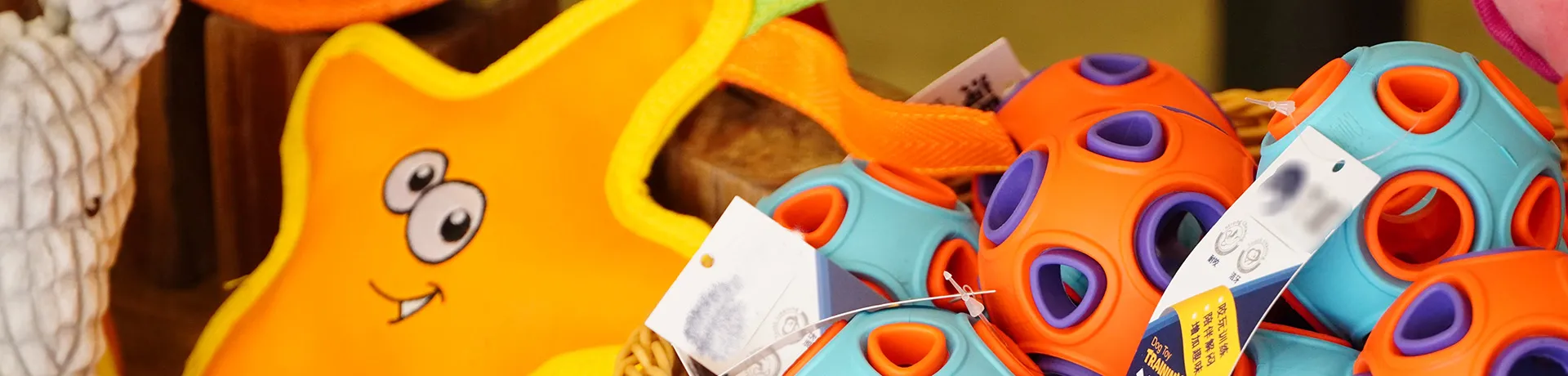
Driven by the concept of green environmental protection, a recycling system for pet rubber toys has gradually been established, with the industry transitioning from the traditional "production-use-disposal" model to a circular "production-use-recycling-reuse" model, promoting green and sustainable development in the sector. Pet rubber toys are recyclable resources, but due to the lack of industry environmental standards, fragmented recycling channels, and weak public recycling awareness, an effective recycling system has been absent, resulting in the indiscriminate disposal of large quantities of waste toys. The natural degradation cycle of waste rubber toys is extremely long, and landfilling consumes land resources while contaminating soil and groundwater, while incineration generates harmful gases, leading not only to severe resource waste but also persistent ecological pollution, highlighting the pressing challenges of green industry development.
In recent years, with the implementation of dual-carbon policies and the growing environmental awareness among the public, industry associations, enterprises, and relevant institutions have collaborated to gradually establish a standardized and regular recycling system for used pet rubber toys. On one hand, leading companies have pioneered specialized recycling programs for used toys, setting up dedicated collection points offline in communities, pet shops, and stores, while launching free return channels online to lower consumer participation barriers. These enterprises then conduct refined sorting, cleaning, desulfurization, and reshaping processes for the collected toys, extracting high-quality recycled rubber materials to reintroduce into new product manufacturing, thereby achieving a closed-loop resource cycle. On the other hand, relevant organizations have intensified environmental education through various means such as short video tutorials, community lectures, and pet industry exhibitions, promoting the value of used rubber toy recycling. This continuous effort enhances pet-owning households' environmental awareness and actively encourages consumers to participate in used toy recycling initiatives.
Must be translated as the first mock examination. Meanwhile, many companies are actively optimizing production processes by adopting biodegradable, environmentally friendly, and non-toxic natural rubber materials to reduce pollution risks from product waste at the source. By combining green production with end-of-life recycling, they are building a comprehensive green development model. Currently, over 20% of enterprises have participated in the construction of a waste toy recycling system, achieving a recycling rate of over 65% for Regenerated rubber materials can be widely used in the production of conventional pet toys, with quality generally meeting market standards. This model significantly reduces corporate procurement and production costs, enhances profit margins, effectively mitigates solid waste pollution, supports industrial decarbonization and emission reduction, and promotes the green, healthy, and sustainable development of the pet rubber toy industry in all aspects.


