
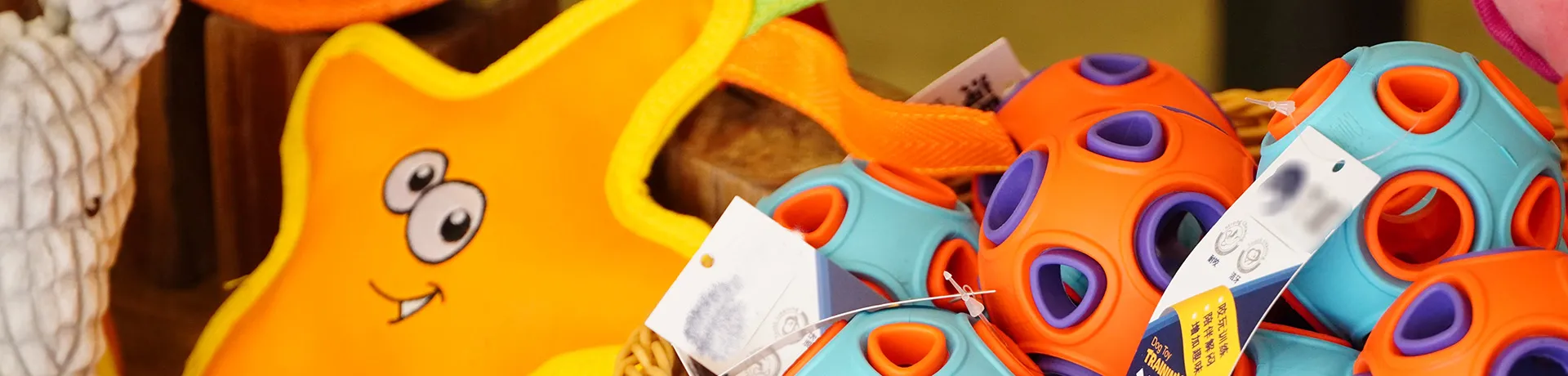
In recent years, the domestic pet rubber toy sector has long lacked the constraints of mandatory national standards. With low barriers to entry, substandard products made from recycled materials have circulated in the market, leading to frequent safety hazards such as excessive levels of heavy metals and plasticisers, as well as the detachment of small fragments. Consumer complaints regarding pets choking or suffering poisoning after accidentally ingesting such items are all too common, whilst consumers face difficulties in providing evidence to assert their rights and in establishing liability. With the imminent implementation of the mandatory national standard ‘Technical Specifications for the Safety of Pet Toys’, coupled with the concurrent implementation of recommended standards such as the ‘General Technical Specifications for Pet Products’ and the ‘Safety Requirements for Pet Chew Toys’, a comprehensive standardisation framework covering materials, mechanical properties, hazardous substances and labelling is gradually taking shape. The new standards set clear red lines for rubber raw materials, bite force testing, limits on fragment detachment and chemical contaminants, thereby compelling manufacturers to upgrade their formulations and testing processes. Market regulation authorities across the country have already launched preliminary publicity campaigns and baseline spot checks, carrying out specialised inspections of online shops, pet shops and wholesale markets. Many small and medium-sized manufacturers admit that their existing low-cost, mass-produced products struggle to meet the new standards, necessitating a switch to new raw materials and the acquisition of additional laboratory testing equipment. Industry experts state that stringent standards are not intended to restrict the industry, but rather to phase out outdated production capacity, forcing out small workshops that rely on processing waste materials and lack quality control, thereby creating market space for compliant enterprises. In future, compliance test reports will become a fundamental prerequisite for product listing and export; the pet rubber toy sector will move away from unregulated growth, shifting from price-based competition to quality-based competition, and the industry’s overall safety standards will be significantly raised.


