
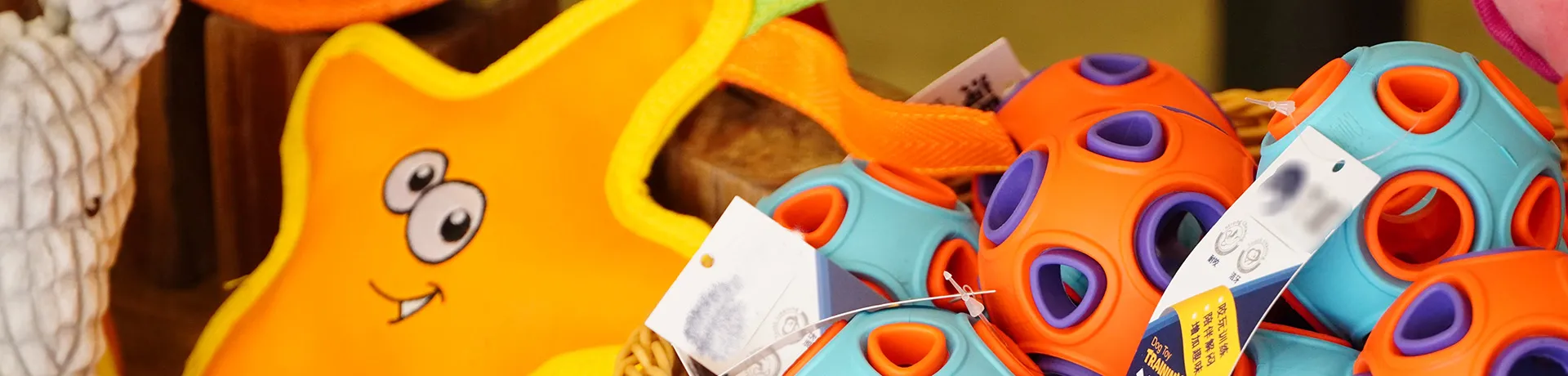
In the first half of 2026, JD.com’s pet consumption data revealed that sales of functional rubber treat-dispensing toys surged by 72 per cent year-on-year, overtaking traditional plain-coloured rubber chew sticks to become the best-selling items in the cat and dog toy category. Whilst traditional plain-coloured rubber toys serve only as chew toys, these new products feature a hollow natural rubber structure that can be filled with dog food or treats. Dogs must continuously chew and roll the toy to access the food, which effectively burns off their energy and helps alleviate behavioural issues such as destructive behaviour and anxiety.
Research by domestic pet brands has found that modern urban pet owners are too busy with work during the day to spend time with their pets, leaving dogs living alone highly susceptible to separation anxiety, which can lead to chewing furniture and destroying belongings. Food-dispensing toys made from resilient natural rubber not only massage puppies’ gums during teething but also, thanks to their textured ridges, help remove tartar from between the teeth, combining dental care with entertainment. High-end models feature a food-grade antibacterial rubber coating, which helps prevent the growth of bacteria even after prolonged chewing.
Consumer data shows that domestic rubber puzzle toys, priced between 60 and 120 yuan, have a repurchase rate as high as 35.7 per cent, rivalling similar products from the long-established overseas brand KONG. Domestic pet manufacturers such as Guibao and Chongxing utilise flexible production lines to produce prototypes within nine days, launching over ten new rubber toy designs each month. Industry analysts note that pet consumption has entered an era of emotional companionship; rubber toys are no longer merely objects to chew on but are gradually evolving into products that provide psychological comfort for pets, and functional rubber toys will continue to dominate the market.


