
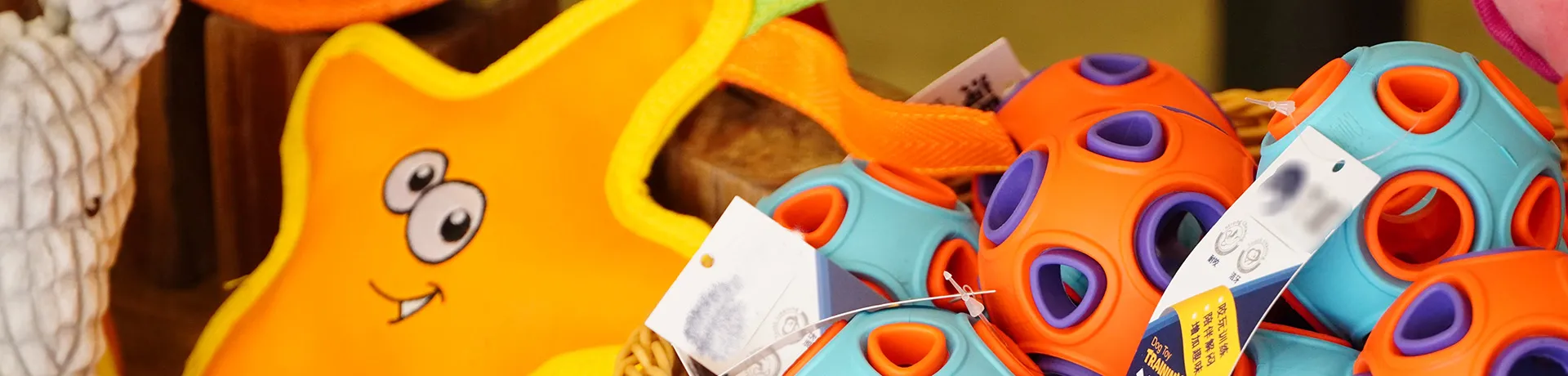
Recently, industry research has shown that there is severe homogenization in the domestic mid to low end rubber pet toy market, with most products concentrated in basic styles such as simple chew rubber and ball toys, leading to a price war and a profit margin of less than 8%. At the same time, the high-end market is dominated by a few brands, and products often combine core advantages such as environmentally friendly materials and interactive design, with significant premium capabilities. In order to overcome development difficulties, many small and medium-sized pet toy companies have begun to seek differentiated transformation. Some companies focus on specific pet categories and launch specialized rubber toys suitable for cats and small dogs; Another enterprise has integrated intelligent sound and fun hidden food designs to create interactive rubber pet toys, enhancing product playability and durability.
Low price internal competition not only compresses the profit margin of enterprises, but also easily leads to problems such as substandard materials and fragile structures, which poses a safety hazard for pet ingestion and further weakens the reputation of domestic products. With consumers' increasing demand for functionality, aesthetics, and contextualization, relying solely on low prices is no longer enough to establish a foothold. More and more companies are starting to segment in terms of material safety, structural design, and usage scenarios, developing specialized products for groups such as teething puppies and solitary cats to relieve boredom. Industry insiders say that differentiated innovation is the key to breaking through for small and medium-sized enterprises. In the future, it is necessary to increase research and development investment, keep up with the trend of consumer upgrading, and form unique advantages in safety, functionality, and experience in order to get rid of low price competition and achieve sustainable development.


