
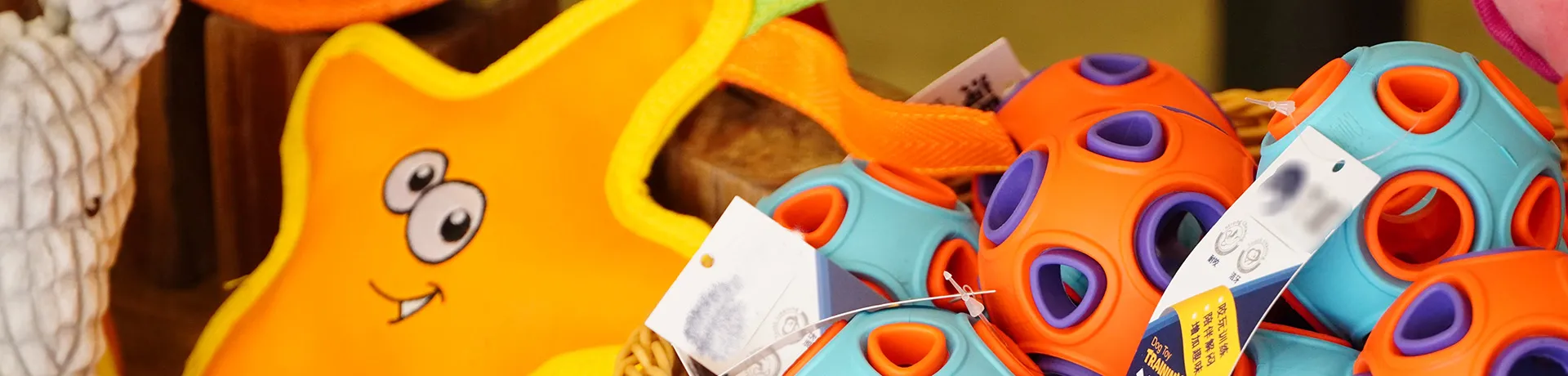
In recent years, eco-friendly materials such as TPE (thermoplastic elastomer) and natural rubber have been increasingly used in pet toys. Compared to traditional synthetic rubber, which may release harmful substances and is prone to aging, these new materials achieve breakthroughs in both safety and practicality. They are not only non-toxic and odorless, resistant to chewing and wear, but also can be quickly rinsed and dried, addressing the concern of pet owners about toys accumulating dirt and bacteria. As a result, they have quickly gained market favor.
To secure a spot in the innovation race, many domestic enterprises have continued to increase R&D investments, deeply integrating material properties with pet needs. For instance, adding food-grade antibacterial components to rubber raw materials to inhibit the growth of Escherichia coli and Staphylococcus, reducing health risks during pet chewing; or designing special textures that create friction against teeth while pets chew, aiding in plaque removal. Some products also incorporate sound effects and dispensing mechanisms, combining play with enrichment and feeding to further enhance product value. This "material upgrade + functional expansion" model not only aligns with consumers' core demand for pet product safety but also drives the industry from a single bite-resistant attribute toward a diversified direction of "health protection + interactive experience," injecting new growth momentum into the market.


