
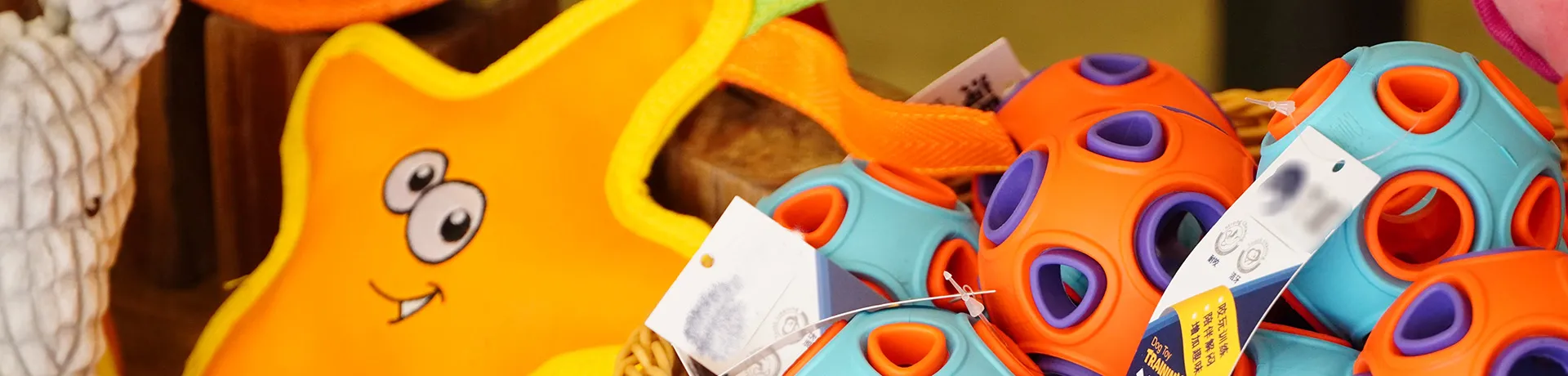
The domestic pet consumer base continues to evolve, with the post-90s and post-00s generations officially becoming the primary consumers of rubber pet toys, accounting for over 65% of the total consumer population. Their consumption habits and demand preferences are profoundly influencing the industry's development direction. This demographic possesses strong purchasing power and a scientific approach to pet care, no longer simply pursuing low prices but placing greater emphasis on product safety, appearance, interactivity, and personalization. Their consumption decisions heavily rely on reviews from social media platforms and the genuine feedback of other users. According to relevant data, young pet owners spend an average of 580 yuan annually on pet toys, 12% higher than the industry average, and are more willing to pay for food-grade materials, creative designs, and IP-collaboration products. Meanwhile, young pet owners actively share pet play scenarios on social media platforms such as TikTok, Xiaohongshu, and Weibo, driving the rapid popularity of viral and niche-designed rubber toys. The social attributes of rubber pet toys are increasingly prominent, serving as a crucial medium for young pet owners to express their love for pets and showcase their aesthetic tastes. This consumption trend is accelerating industry innovation, with product designs better aligning with the aesthetics of younger generations and continuously improving interactivity and personalization.
Many brands have seized the opportunity to launch content marketing campaigns, specifically targeting the younger demographic with activities such as seed-spreading short videos, influencer unboxing reviews, and pet challenge contests. Leveraging the traffic, they rapidly boosted product visibility and shortened the market cultivation cycle for new products. Numerous manufacturers have shifted from their previous mass-produced, homogeneous production models to offering small-batch customized and color-optional rubber pet toys, precisely catering to young consumers' desire for uniqueness and rejection of generic designs. Meanwhile, upstream and downstream enterprises have also adjusted their strategies accordingly. Upstream raw material suppliers now focus on providing eco-friendly rubber materials that meet food-contact-grade standards, while downstream retailers bundle pet snacks and care products into combo sets to further tap into consumer potential. However, market competition has intensified, with many trendy, copycat products having short lifecycles. This has forced companies to deepen their commitment to original design and quality control, relying on long-term reputation to stabilize customer bases and break free from low-price price wars, thereby forging a differentiated development path.


