
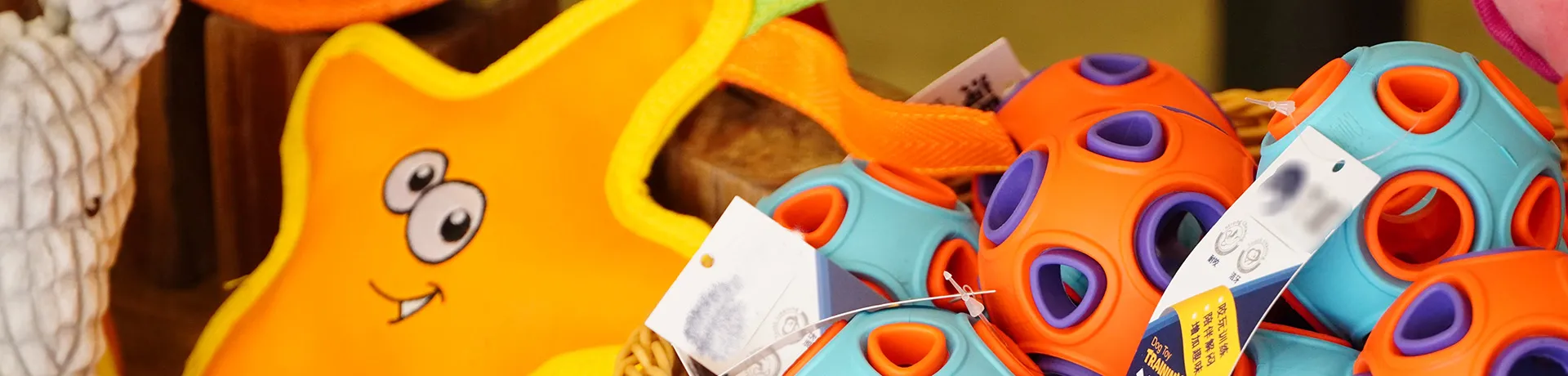
With the continuous maturation of the pet rubber toy industry, research and development concepts have been consistently upgraded. Product design has gradually shifted from the traditional human aesthetic orientation to aligning with animal ethology, focusing on enhancing pet acceptance and play experience to boost product repurchase rates. Industry R&D teams have optimized the shape, hardness, texture, and weight distribution of pet rubber toys through long-term observation and research on canine and feline chewing habits, dental structure, play preferences, and behavioral characteristics. For instance, to accommodate dogs' chewing habits, dog rubber toys feature a 45° bevel design that matches the mechanical structure of canine teeth, minimizing damage to pets' teeth. Meanwhile, to cater to cats' hunting instincts, cat rubber toys are optimized for elasticity and bouncing trajectories, incorporating elements like feathers and bells to stimulate their predatory drive. Additionally, textured surfaces and anti-slip designs are incorporated to facilitate pet gripping and chewing, while also enhancing human-pet interaction by making playtime more engaging, allowing owners to better accompany their pets.
In addition, the R&D sector has begun to address the differentiated needs of pets across various age groups and body types. For puppies during their teething phase, products featuring softer, cushioned rubber materials are designed to alleviate gum soreness. Adult aggressive dogs, on the other hand, benefit from high-wear-resistant, thickened formulations that extend toy lifespan and prevent rapid chewing-induced safety hazards from ingestion. Some brands have also integrated food-dispensing mechanisms into behavioral design, incorporating internal storage cavities where pets must persistently chew or manipulate to release treats. This effectively mitigates destructive behavior and anxiety in pets while prolonging single-play sessions. Such behaviorally-aligned designs have significantly boosted acceptance of rubber toys, driving product repurchase rates over 25% higher than traditional designs. This innovation has become a key industry direction, compelling the entire sector to move beyond homogenized low-price competition toward refined, functional, and scientifically optimized product development.


