
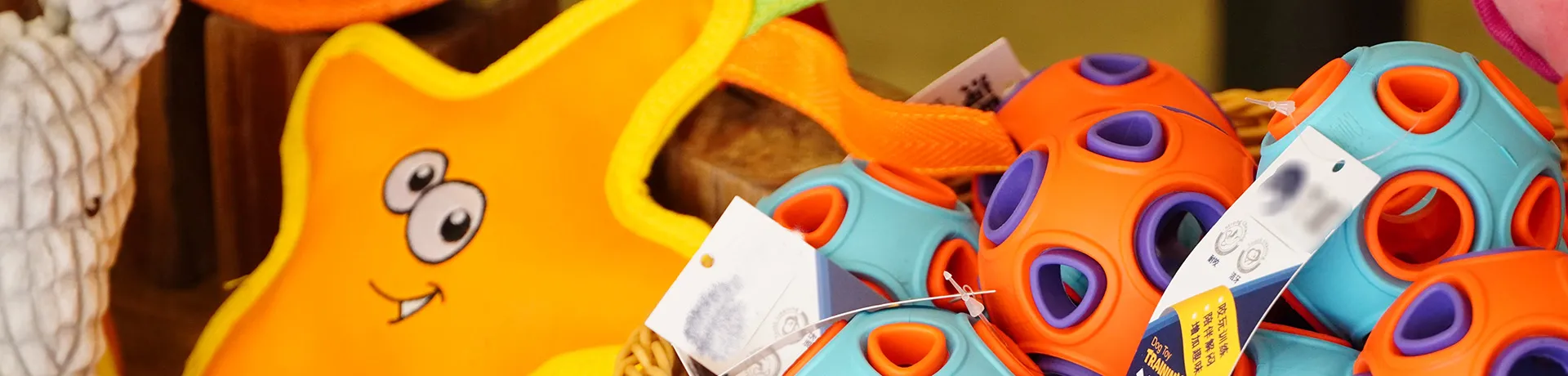
To ensure the safety of pet supplies, the State Administration for Market Regulation released a draft of the "General Technical Requirements for Pet Rubber Toys" in 2025, specifying standards for raw materials, physical properties, and chemical indicators. The policy will promote standardized industry development, phase out low-end production capacity, and encourage enterprises to improve product quality and compliance capabilities, benefiting the long-term healthy development of the industry. The standard system in this draft is highly targeted. In terms of chemical safety, it strictly limits the usage thresholds of harmful plasticizers such as phthalates and clearly defines migration limits for potentially hazardous heavy metals like lead, cadmium, and arsenic, eliminating health risks from pets ingesting harmful substances while chewing on toys. Regarding physical properties, it sets detailed requirements for toy durability and edge smoothness, addressing design flaws like sharp edges or easily detachable small parts that could lead to pet ingestion or injury.
This policy does not exist in isolation but forms a coordinated regulatory system with national standards such as "GB/T 43839-2024 Technical Safety Requirements for Companion Animal (Pet) Products," while also aligning with global trends in pet product safety regulation and effectively bridging the control requirements for Substances of Very High Concern (SVHC) under the EU REACH regulation. For the industry, the implementation of this policy will significantly raise entry barriers, likely driving over 30% of small-scale, low-cost, non-environmentally friendly workshop-style enterprises out of the market.
To comply with regulatory requirements, leading enterprises have taken the initiative to develop environmentally friendly materials and upgrade their testing systems, such as replacing traditional inferior rubber with natural rubber and TPR eco-friendly materials, while establishing comprehensive quality control mechanisms. In contrast, small and medium-sized enterprises face multiple cost pressures, including equipment upgrades, raw material substitutions, and testing certifications, which will further accelerate industry consolidation. In the long run, standardized regulation not only purifies the market environment but also directs industry resources toward research and innovation, driving the pet rubber toy sector from "low-price competition" to "quality competition." This shift also helps domestic enterprises better integrate into the international market and enhance the compliance competitiveness of their exported products.


