
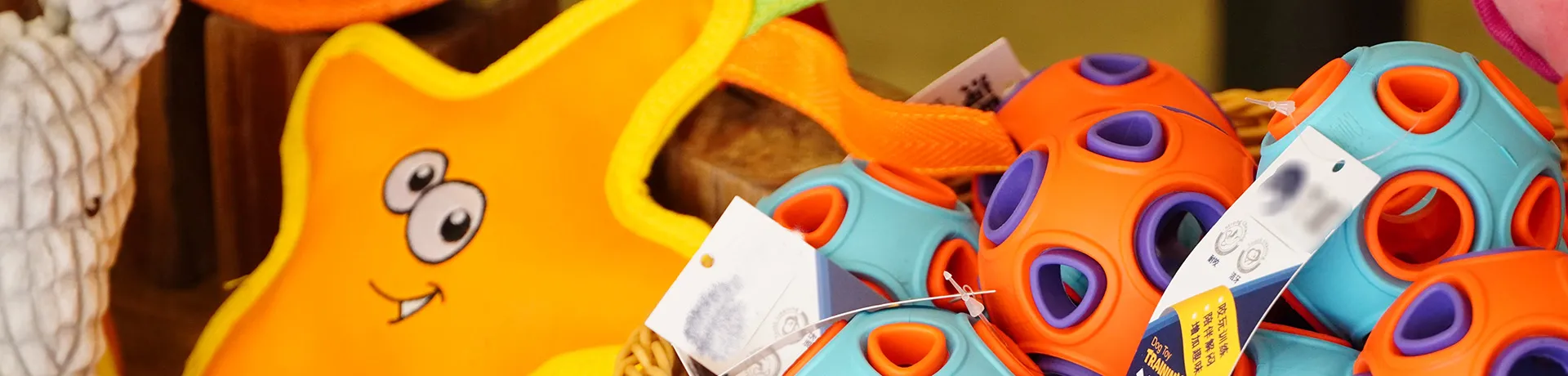
Recently, market research shows that hidden treat rubber pet toys have become a new consumption hotspot, with sales increasing by 56% year-on-year and gaining popularity among pet owners. These toys feature built-in grooves, maze pathways, or hollow cavities designed to hold various pet snacks like freeze-dried treats, meat strips, and dental chews. Pets can gradually obtain food while chewing, batting, and exploring, which not only satisfies their natural instincts for gnawing and foraging but also exercises jaw muscle coordination. Additionally, these toys effectively help expend energy, alleviate separation anxiety and boredom, and reduce behavioral issues such as destructive chewing or excessive barking. To meet market demands, domestic pet toy manufacturers have increased investment in functional R&D, optimizing the food-hiding structure and difficulty levels. They now offer specialized products tailored to different sizes and chewing strengths, including options for puppies, adult dogs, large breeds, and cats,
Some companies also use high-elasticity eco-friendly rubber and food-grade materials to enhance product bite resistance and safety, extending its lifespan. Meanwhile, many brands incorporate creative designs such as cartoon and fruit-and-vegetable shapes, balancing practicality with aesthetic appeal to further stimulate consumption. The Consumer Council warns that rubber pet toys with hidden compartments have numerous crevices, requiring regular disassembly, cleaning, and thorough drying to prevent bacterial and mold growth from snack residue. It also advises companies to strictly adhere to domestic and international safety standards, further control the content of harmful substances like heavy metals and plasticizers, and refine product age suitability and warning labels to collectively regulate industry development and ensure pet health and safety.


