
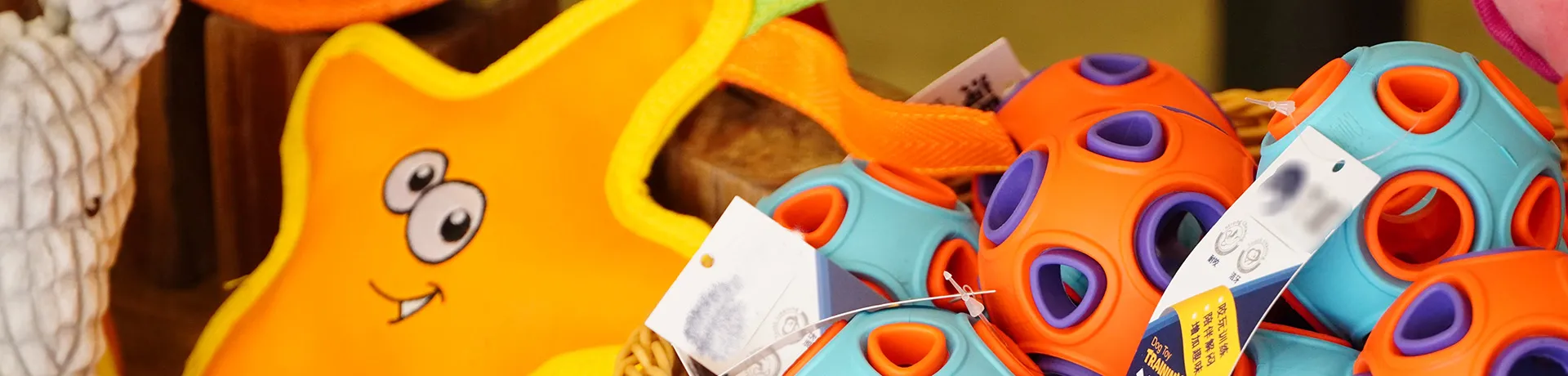
The 2026 Pet Products Consumption Report reveals that the pet rubber toy market has become thoroughly segmented, moving away from the model of a single toy suitable for all breeds. Sales growth in the two major sub-categories—soft rubber toys for puppies and ultra-durable rubber toys for large dogs—is leading the industry, with refined design becoming the core of brand competition.
Soft latex rubber toys designed for puppies aged 2 to 6 months during their teething period feature a 40 per cent reduction in hardness. Their surfaces are textured with soft, raised dots, which not only alleviate gum swelling and pain but also prevent scratching of tender gums. They are also infused with naturally extracted essential oils with a milky scent to encourage puppies to chew on them; Thickened, puncture-resistant rubber toys, designed specifically for large, powerful breeds such as Golden Retrievers and German Shepherds, utilise a three-layer composite rubber structure that doubles tear resistance, addressing the common issue of large dogs easily destroying their toys. Rubber claw-shaped chew toys for cats have been scaled down in size to suit feline chewing habits.
Major brands have begun to segment their product lines according to body size, age and breed. One domestic pet brand has launched 28 rubber toys of varying hardness, covering the full range of categories from kittens to small, medium and giant dogs. Consumer surveys show that 82 per cent of pet owners are willing to purchase rubber toys specifically tailored to their pet’s size, rather than opting for one-size-fits-all designs. Industry analysts suggest that, driven by the trend of anthropomorphising pets, specialised and customised rubber toys will continue to gain market share, whilst the market share of generic, one-size-fits-all rubber toys is shrinking year on year.


